If asked would you be able to instantly name life saving engineered solutions? We overlook the profound impact that design can have on people’s lives and well-being. Engineering has significantly transformed surgery, diabetes management, and even life expectancy.
But, how?
Through the development of life saving equipment patients vitals can be monitored from afar, diagnoses are being made earlier, and chronic disease management has become easier.
This blog explores the incredible innovations that save lives.
EpiPen
The EpiPen is an brilliant example of the importance of use-centred design in medical emergencies. Used to treat severe, rapid onset anaphylaxis allergies, the intuitive design of the EpiPen provides a simple and efficient way of delivering epinephrine during a high stress situation.
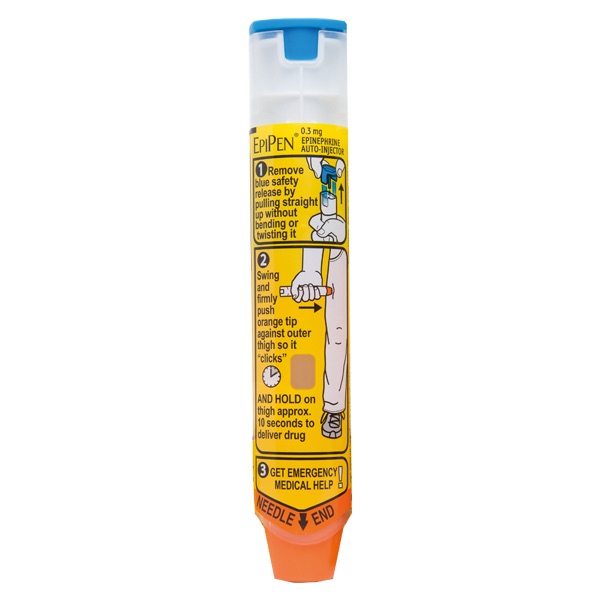
Using a compact design ensures it is easily carried and discreet for individuals who need it, while its ergonomic shape is easy to grasp allowing for quick activation. The EpiPen allows for untrained users to provide lifesaving assistance through the use of clear labels and colour-coded caps.
This design has been continuously improved over the years to increase reliability, safeguard against accidental activation and ensure accurate dosage is delivered.
Empowering Diabetes Management
There has been vast improvement into the management of type 1 diabetes where engineering has played a crucial role. Technological advancements have led to the development of CGMs and pumps to provide real-time blood sugar monitoring and maintenance, while also reducing the risk of complications.
Insulin Pumps and Pens
For those with diabetes, insulin pumps and pens are a lifeline.
With insulin pens designed for precision, portability and easy use, diabetics can discreetly administer insulin at various dosages. The pens can be either disposable or reusable to cater to differing needs and preferences of the user.
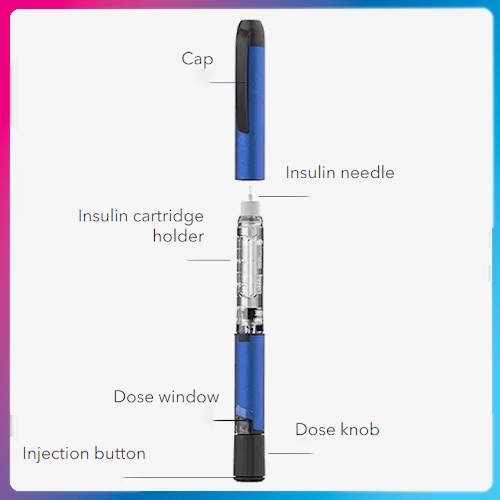
While insulin pumps are wearable, automatic versions of the pen which provide insulin via a catheter inserted under the skin. These devices include algorithms, microprocessor and miniature motors which are all used to deliver precise amounts of insulin to maintain blood sugar levels. The reduction in the pump components size while maintaining accuracy has been crucial to their success. The further development of adding Bluetooth and integrating with smart phone apps has been vital to increasing the ease at which diabetics can manage and monitor their condition.
The design and development of these devices has not only helped to prevent immediate health crises but also reduced the risk of long-term complications.
Continuous Glucose Monitors
CGMs are a good representation of the pinnacle of sensor technology, utilising thin, flexible electrodes under the skin to measure interstitial fluid glucose levels. They use advance algorithms to interpret raw data and provide real-time insights to the user on their sugar levels. Using low-power design, CGMs can be used for days or even weeks of continuous glucose monitoring. They provide diabetics with an easy way of continuously monitoring their glucose levels and helping to prevent extremes. They often interconnect with the insulin pumps to provide real time adjustment to the sugar levels of the diabetic reducing their stress around eating and dose administration.
Pacemakers
A device that relied on a deep understanding of both electrical engineering and the physiological and biological make up of the body is the pacemaker. They generate electrical impulses to simulate the heart muscle to correct irregular rhythms. Over time they have slimed down and because less invasive, enabled by material science advances and better battery technology.
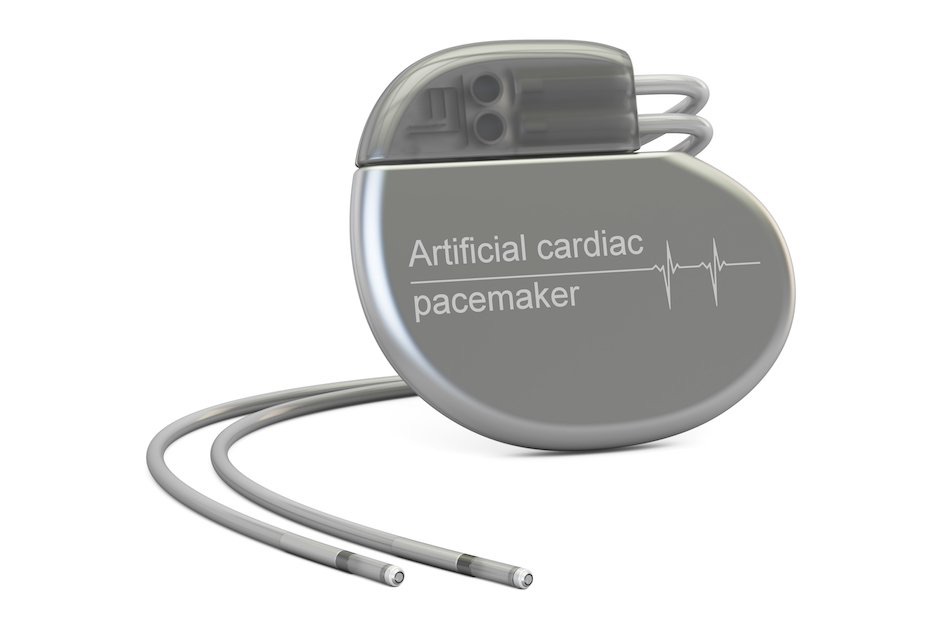
This innovation has saved countless of lives and yet probably not the first thing considered when first asked about life-saving engineering. As the technology continues to improve with the development of leadless pacemakers, the surgical risks continue to decline.
Pacemakers have also been responsible for the diagnosis of previously unknown heart conditions of patients after cardiac events.
MRI Machine
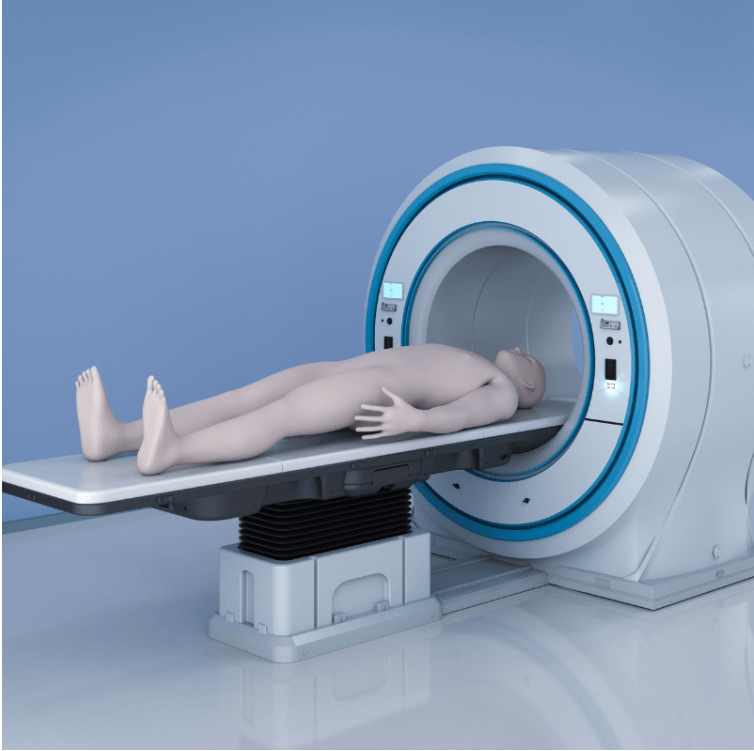
The creation of the MRI has allowed for unparalleled insights into the human body, allowing for easier and earlier diagnosis. This blend of science, physics and medicine means we can now detect tumours, strokes and other complex medical conditions earlier than previously.
The introduction the MRI into healthcare has reduced the requirements for invasive procedures such as diagnostic surgeries, reducing the risk and stress on patients. They have also increased patient comfort as there is no healing time required and they have been designed with noise-reduction technology.
Every design and engineering solution in health care saves lives. Either through life quality improvement, disease management and prevention, or making the previously unfeasible feasible. The examples in this blog highlight just some of the life-saving designs in regular use today. They also highlight how blending engineering with empathy, creativity and precision can have a profound impact on people’s lives in the most unseen way.
The brilliance of life-saving design doesn’t lay in the technical aspect of design but rather in addressing real world needs and challenges particularly in healthcare.
So the question becomes, what’s next? With advancements in Artificial Intelligence, the introduction of nanotechnology and the possibilities in 3D bioprinting, its not hard to imagine even greater possibilities to engineer further life-saving designs.

 RGE Design
Leave a comment