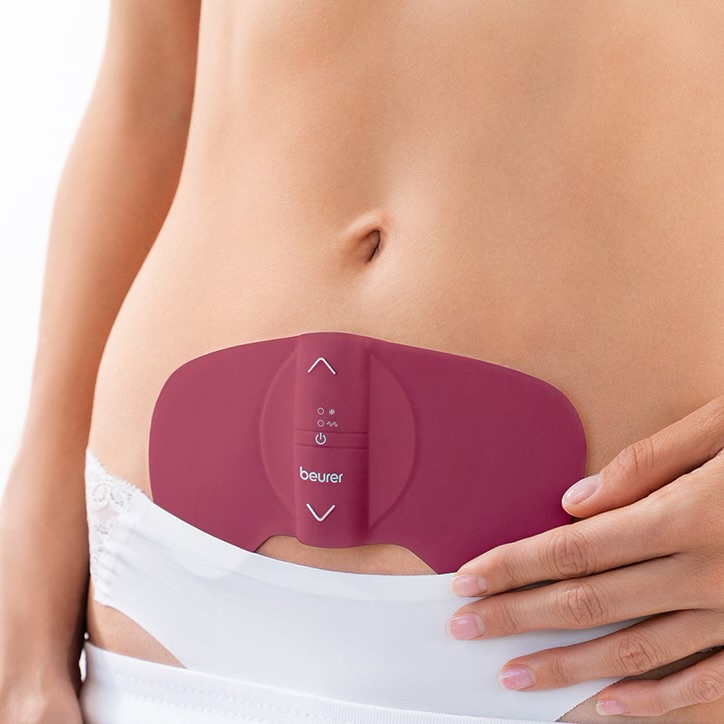
Transcutaneous Electrical Nerve Simulation or TENS Machines have come a long way since the first one which was developed by Dr C. Norman Shealy in the 1970s. I first came across the TENS machine in 2023 during a period of intense pain caused by endometriosis and have been fascinated by the science ever since.

The concept of electrical stimulation to provide pain relief isn’t new. In fact it can be dated back to the Ancient Egyptians who reportedly used electric fish to help alleviate their pain. The modern TENS machine is still relatively new and when first developed was limited to clinical settings, requiring training and professional supervision. But thanks to technological advancements, TENS machines have become much more accessible. Usually battery-operated, these devices deliver electrical impulses through adhesive electrode pads placed on the skin. These impulses stimulate nerves to block pain signals and encourage the release of endorphins.
Miniaturisation
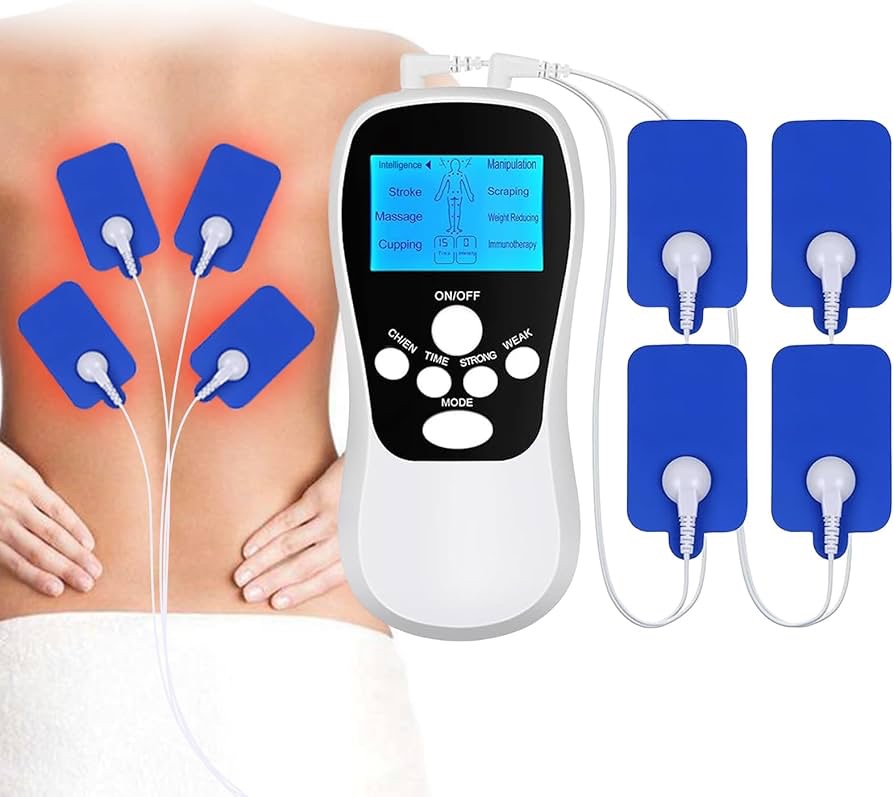
The reduction in the size and advancement of electronics, semiconductor technologies, and enhanced battery efficiency has turned TENS machines from bulky, tethered machines into a portable, user-friendly product. This change has allowed people to stop planning their life around the use of a TENS machine.
The TENS machine is now a wearable, discreet technology that can be used on the go and offers the flexibility to be used anytime and anyplace. Many TENS machines now allow for placement anywhere on the body as a result of this advancement of the design. Miniaturization has shifted the power dynamics in patient self-care, anchoring the TENS machine firmly in the “everyday toolkit” for pain management.
User-Centric Design
The TENS machine has changed to become more discreet, smaller and portable. With companies now testing with real users and using feedback to improve their designs, the TENS machine is becoming increasingly more user-centric. Everything from form to ergonomics to usability has been considered during the design, particularly for menstrual pain use.
Increased comfort alongside the minimisation of the design allows for it to worn throughout the day. The flexible placement and the ability to conform to the contours of the body means users can now target areas of pain and therefore receive more effective treatment. With these changes has come the addition of more custom settings and features. This customisation comes from the idea that no one is the same and, therefore, don’t experiences pain in the same way to provide adjustable intensity levels, different electrical stimulation patterns and extra electrodes. The TENS machine has become a tool that adapts to individual needs rather than forcing users to adapt to it but none of this would work with out the technology being reliable and intuitive.
Through the integration of user centred design in the TENS machine it has become about more than just electrical stimulation, it encompasses a holistic approach that is unique to each user. When we create accessible, user-friendly designs the overall and long-term outcome naturally improves.
TENS Machine as a Lifeline
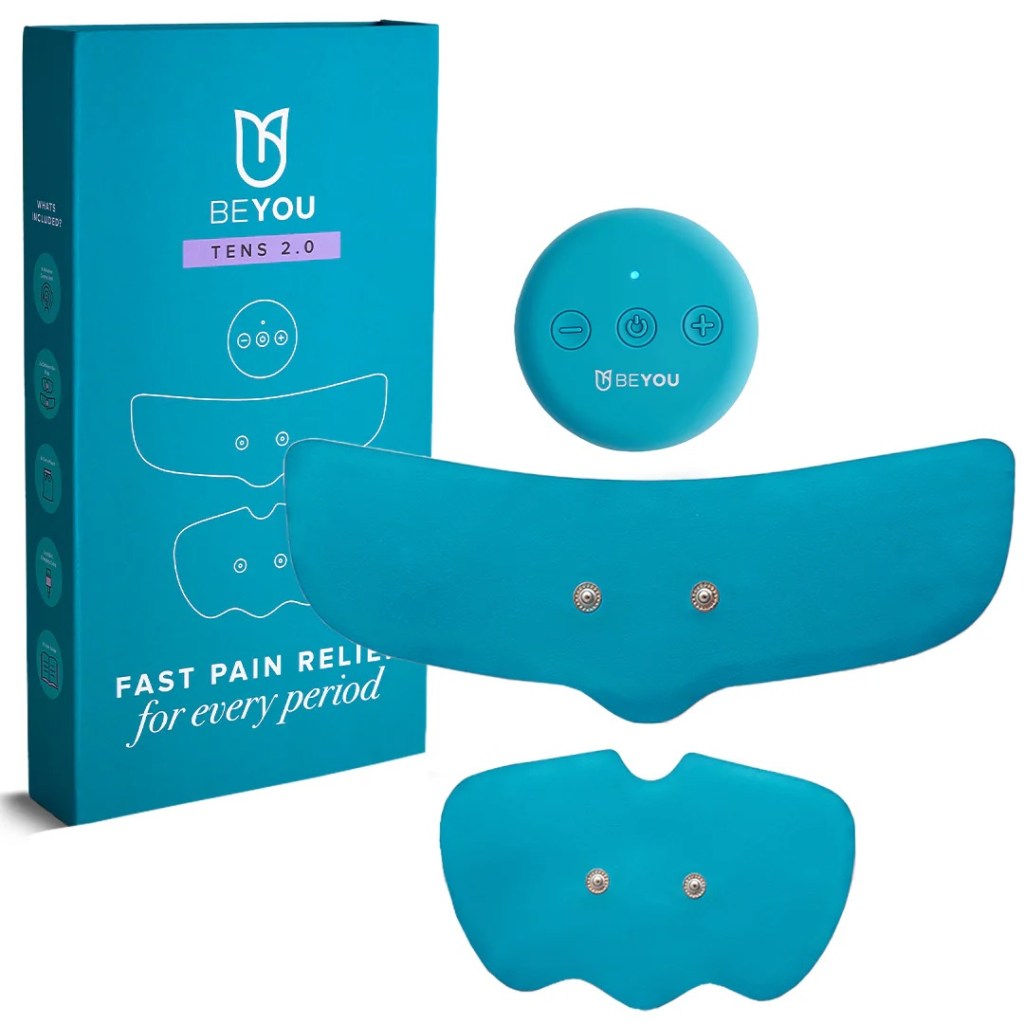
For people with chronic pain conditions such as endometriosis and polycystic ovarian syndrome, the TENS machine is more than a device, it can be a lifeline. With its targeted electrical stimulation, the TENS machine offers a non-invasive, non-drug solution to manage their symptoms.
The TENS machine is a device which is reducing reliance on pharmaceuticals and invasive procedures, such as surgery, pushing them to be a last resort. This empowers suffers of chronic pain to take control in a discreet and comfortable manor while allowing them to continue as normal in ways that drug solutions, such as NSAIDs, don’t allow.
The TENS machine isn’t just about pain relief and can mean improved quality of life, renewed independence and is a sense of hope for a life without pain.
Becoming Multifunctional
The newest development in the TENS machine, particularly in the menstrual pain management sector, has been the addition of heat. This integration of heat with electrical stimulation, I believe, is redefining the TENS machine’s capabilities and going to help push the boundary of non-drug related pain management in years to come.

So, why has heat been added?
Heat therapy is an effective way to relax the muscles, ease tension and improve blood flow, all of which are important in alleviating pain. By adding heat to the TENS machine, the warmth can sooth the tissue while the electrical stimulation interrupts the pain signals. The heat also provides a sense of comfort that the electrical stimulation lacks and can ease any discomfort that may be created by said stimulation. This addition of heat also allows for better pain management when out and about while remain discreet and unintrusive.
For individuals with chronic pain, particularly endometriosis, the combination of therapies can have a massive impact. With endometriosis there is often chronic pelvic pain for which heat is the go-to non-pharmaceutical remedy. The dual-action of the heated TENS not only addresses the immediate sensation of pain but also contributes to longer-term muscle relaxation and improved local circulation—a critical factor in managing the inflammatory aspects often associated with endometriosis.
Most of these devices will allow for a combination of the heat and electrical stimulation or to have each separately. The TENS machine which have the multi-modal function of the traditional TENS machine and heat, means that relief can be better tailored to the individual at any given time.
Reflecting on the TENS
As a suffer of Endometriosis I can safely say that the TENS machine is a game changer in managing my pain. No longer do I need to take mind-altering drugs which leave me unable to concentrate, instead I can simply slip on my TENS machine, adjust the setting and no one is any the wiser.
The evolution in medical technology becoming more personalised and patient-centric has allowed for the TENS machine to be developed into a device that I won’t hesitate to say is life-changing. From a bulky clinical machine to a sleek, multifunction device, the TENS machine is a perfect example of what happens when design is fused with empathy and user-feedback.
I find myself asking what is next for the TENS machine? Maybe the design will continue to become more and more user-centric or integrate more different complementary therapies like with the heat. Its hard to imagine right now, but I believe that continued look at efficiency, comfortability and following the research on pain management will once again revolutionise the TENS machine design.
The evolution of the TENS machine isn’t just a story about technological advancements but rather a human one. It is about the understanding of the impact of personal experience, the acknowledgement of pain our fellow human beings are suffer and its also about the the challenges that many are facing daily. The TENS machine has been crafted into design which speaks directly to the needs of those who use it but also to the empathy that we as designers must have. For the over 190 million affected by endometriosis and the others affected by chronic pain, innovations such as these offer not just relief, but a better quality of life, where technology works hand-in-hand with human resilience.
 RGE Design
Leave a comment